
How Activities at The Best International Schools in Mumbai Improve Social Skills in Children
Home / High School / How Activities at The Best International Schools in Mumbai Improve Social Skills in Children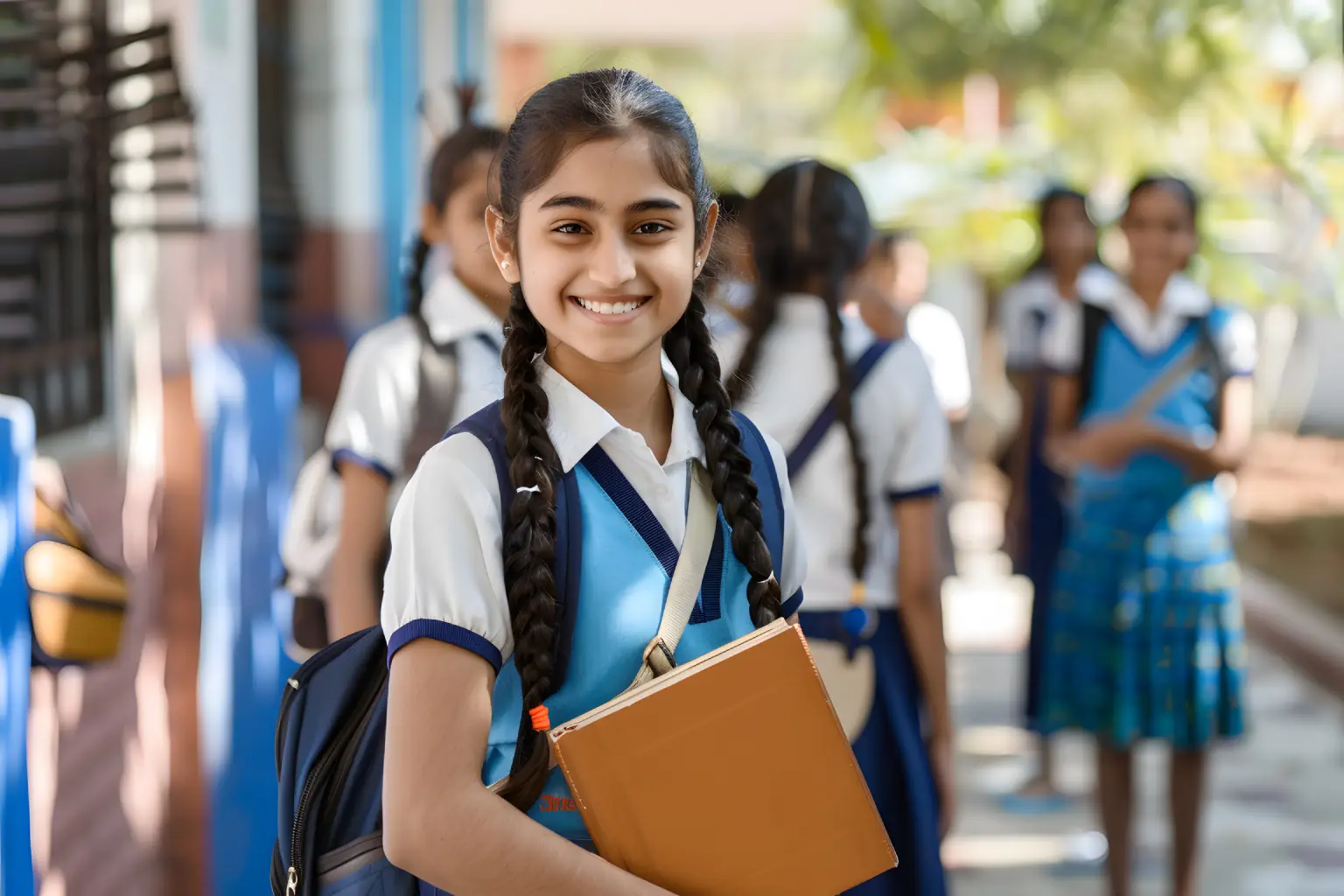
If you visit some of the best-known international schools in Mumbai, you surely find some notable changes in the classrooms. These schools are not only thinking about academic scores anymore. They are focussing how the children enhance their ability to speak confidently, listen patiently, cooperate with others, coalesce their classmates to celebrate the events or handle disagreements without frustration. These are social skills that the children at MNR International School in Palaspe are being developed and progressing towards holistic growth.
In many international schools in Mumbai, educators have slowly moved away from the idea that learning only happens inside textbooks. A classroom may teach mathematics and science, yes. But a playground debate, a theatre rehearsal, or even a messy group project often teaches children how to work with people.
Anyone who has spent time around a group of children during a school activity has probably seen it happen. One child takes the lead. Another hesitates. A third quietly helps everyone stay organised. By the end of the activity, something subtle has changed. The children understand each other a little better. That is how social learning begins.
Why Do Social Skills Matter So Much For Children?
Children rarely arrive at school already knowing how to manage friendships, disagreements, or teamwork. Those abilities grow slowly. Sometimes through success. Sometimes through awkward moments.
A child who struggles to share ideas during class discussions may suddenly find confidence during a drama rehearsal. Another student who usually prefers silence might speak up during a group science project. This is the magic of social skills. They help children learn how to:
- Express their thoughts clearly
- Listen when someone else is speaking
- Understand different opinions
- Resolve small conflicts without anger
- Build friendships that feel supportive and safe
These skills do not appear overnight. They develop through repeated interaction. That is why many international schools in Mumbai design learning environments where children collaborate regularly rather than work alone all the time. Sometimes the most valuable lessons happen outside formal lessons.
How Do Activities at International Schools in Mumbai Naturally Encourage Social Development?
Children behave very differently when they are involved in an activity compared to when they are quietly sitting at a desk.
During a group art project, for instance, students must negotiate ideas. One child wants bright colours. Another prefers something subtle. They talk, they disagree briefly, they find a middle ground. It sounds simple. Yet these moments build emotional intelligence.
School activities create natural situations where students practise social behaviour without feeling like they are being taught a lesson. Realising this fact, MNR International School in Palaspe, one of the best-known international schools in Mumbai, arranges some common activities that support social growth, including:
- Sports and team games: Players learn cooperation, patience, and respect for rules.
- Drama and theater: Students step into different roles and understand emotions from another perspective.
- Group academic projects: Children practise planning, discussion, and shared responsibility.
- Music and dance performances: Students learn rhythm, coordination, and mutual trust.
Teachers sometimes mention an interesting observation. The quietest child in class may become surprisingly expressive on stage. The confident speaker may discover how difficult it is to listen patiently during group work. These shifts are healthy. They help children understand both themselves and others.
What Happens When Children Work Together Regularly?
Regular collaboration changes the classroom atmosphere in subtle ways.
At first, group activities can feel slightly chaotic. Voices overlap. Ideas clash. Someone forgets their responsibility. But something remarkable tends to happen after a few weeks.
Children begin adjusting their behaviour. They start noticing who speaks softly and needs encouragement. They recognise who tends to rush through tasks. Slowly, a sense of awareness develops.
This awareness leads to stronger interpersonal skills:
- Students begin respecting different personalities
- They learn patience when someone works slower
- They celebrate group success rather than individual credit
- They understand the importance of responsibility
Teachers at MNR International School in Palaspe, one of the best-known international schools in Mumbai, often notice that group learning quietly reduces classroom anxiety. Children feel less pressure when they realise they are not solving every challenge alone. Henceforth, the learning becomes shared.
Why Are Co-Curricular Activities Often The Best Social Teachers?
Academic lessons follow structure. Activities allow freedom. That difference matters.
During a football match, students must communicate quickly and clearly. During a debate competition, they learn how to present ideas respectfully while disagreeing with others. These experiences stay with children far longer than memorised definitions.
Co-curricular activities help children develop:
- Confidence while speaking before an audience
- Leadership through team roles
- Emotional control during competition
- Empathy for teammates and opponents
- Decision-making under pressure
Sometimes teachers notice something unexpected. Two students who barely interact during class suddenly become strong partners during a robotics project or sports event.
Shared challenges create friendships.
Therefore, we at MNR International School in Palaspe, one of the best-known international schools in Mumbai, deeply feel that shared challenges through co-curricular activities create true bonding, and so we treat co-curricular programmes not as optional extras but as essential parts of education.
The Role Of Teachers At International Schools in Mumbai In Guiding Social Learning
Children do not always understand social situations immediately. They need guidance. A thoughtful teacher watches closely. Not in a strict way. More like a quiet observer.
When disagreements happen during group work, teachers gently help students express their thoughts without hurtful language. When a shy child hesitates to participate, teachers encourage small steps forward. Over time, students learn how to manage these situations themselves.
Experienced educators at international schools in Mumbai believe that social learning cannot be forced. It must grow naturally through practice, reflection, and gentle guidance. This philosophy shapes the learning culture at MNR International School in Palaspe, where teachers focus on nurturing both academic knowledge and interpersonal maturity.
A Learning Environment Where Children Feel Safe To Interact
Children communicate better when they feel comfortable. A safe and supportive school environment allows them to take small social risks such as asking a question, sharing an idea, or apologising after a disagreement. Schools that value open communication create space for these experiences.
At MNR International School in Palaspe, one of the best-known international schools in Mumbai, the learning environment encourages students to interact freely during projects, activities, and collaborative tasks. This approach reflects the broader educational philosophy, where balanced development is considered essential for long-term success.
When Social Skills Become Life Skills
The impact of these early experiences often appears years later.
A student who once hesitated to speak in class may confidently lead a college presentation. Another who learned patience during sports may become an effective project manager in the future.
Social development rarely receives the same attention as examination scores, yet its influence is deep and lasting. Therefore, within the classrooms and playgrounds of some of the international schools in Palaspe, children discover something that textbooks alone cannot teach.
Related Blogs
Are You Waiting for CUET 2026 Result? Have a Glimpse of What You Need to Know!
The Moment You’ve Been Waiting For Is Almost Here! Picture this — it’s a regular…

Best International School in Panvel: How to Pick the Right One
Overview Choosing the best international school in Panvel needs careful thinking. This 2026 guide covers…

JEE Advanced 2026 Result Date and Time: A Complete Guide You Need!
The wait is almost over. If you sat for the JEE Advanced 2026 examination on…
10 Smart Parenting Tips for School-Age Children
A child today grows up in a world that moves quickly. Classrooms are changing, learning…
CUET 2026 Result: Everything You Need to Know Before the Scores Drop
The Moment Every Student Has Been Waiting For Is Almost Here You studied through weekends….

What Are the Differences Between Traditional Rote Learning & Modern Practical Learning?
What today’s parents are actually looking for – Rote Learning or Modern Practical Learning? Education…